If there is one technique that separates beginner crochet projects from polished, professional makes, it is the crochet magic ring (often called the magic loop or adjustable ring).
Traditional patterns often tell you to: "Chain 4, join with a slip stitch to form a ring, and work 12 trebles into the center." While functional, this older method always leaves an open hollow hole right in the center. If you are making amigurumi toys, polyester stuffing will poke through; if you are making winter beanies, chilly wind will seep through the crown.
The magic ring solves this completely by creating a sliding loop that cinches down to a neat, closed centre.
What You Need to Practice
- Practice Yarn: Choose a smooth, non-fuzzy yarn in a light colour (such as an Aran weight cotton or acrylic blend). Avoid dark navy, black, or fuzzy mohair while practicing so your stitches remain crystal clear.
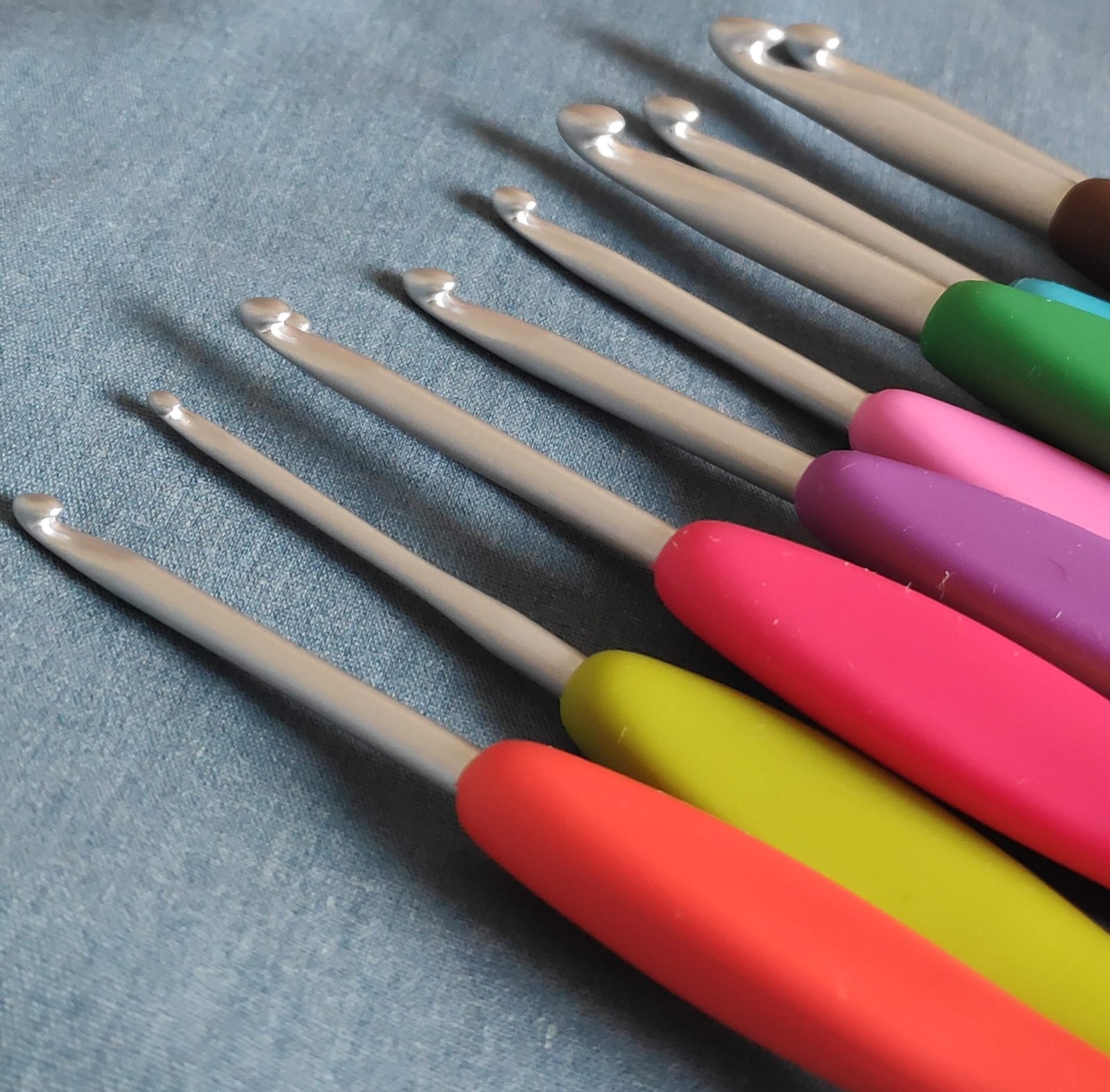
- Crochet Hook: 5.00mm (UK 6 / US H-8).
- A small dose of patience: It usually takes 3 to 5 attempts before your muscle memory clicks into place!
Step-by-Step: The Two-Finger Wrap Method
Step 1: The Palm Position
Drape the yarn tail across your open left palm (if right-handed). Let approximately 10cm of yarn tail hang downward toward your wrist. Hold the tail securely against your palm with your ring and little finger.
Step 2: The "X" Across Your Fingers
Take the working yarn (the yarn connected to the ball) and wrap it up and over the front of your index and middle fingers. As you come back around to the front, cross the working yarn diagonally over the tail to form an "X" shape across your two fingers.
Step 3: Insert Your Hook
Hold your crochet hook in your right hand like a pencil or dinner knife. Slide the tip of the hook underneath the lower right strand of the "X" and over the upper left strand.
Step 4: Catch and Pull Through
Catch the upper strand with the hook's beard and pull it underneath the lower strand toward you. Rotate your hook slightly upward. You now have a live loop on your hook.
Step 5: Secure the Foundation Chain (UK Terms)
Yarn round hook (yrh) with the working yarn and pull it through the loop on your hook. This creates 1 chain stitch:
- If your pattern starts with UK Double Crochet (dc): This 1 chain anchors your ring (does not count as a stitch).
- If your pattern starts with UK Treble Crochet (tr): Work 2 more chain stitches so you have 3 chains total to match treble height.
Working Your First Round of Stitches
Carefully slide your fingers out from inside the loop, holding the intersection with your thumb and middle finger so the circle does not collapse:
- Insert your hook straight into the center of the big open ring, making sure your hook sits underneath both the ring strand AND the loose tail yarn.
- Yarn round hook and pull up a loop (2 loops on hook).
- Yarn round hook and pull through both loops (1 UK double crochet completed).
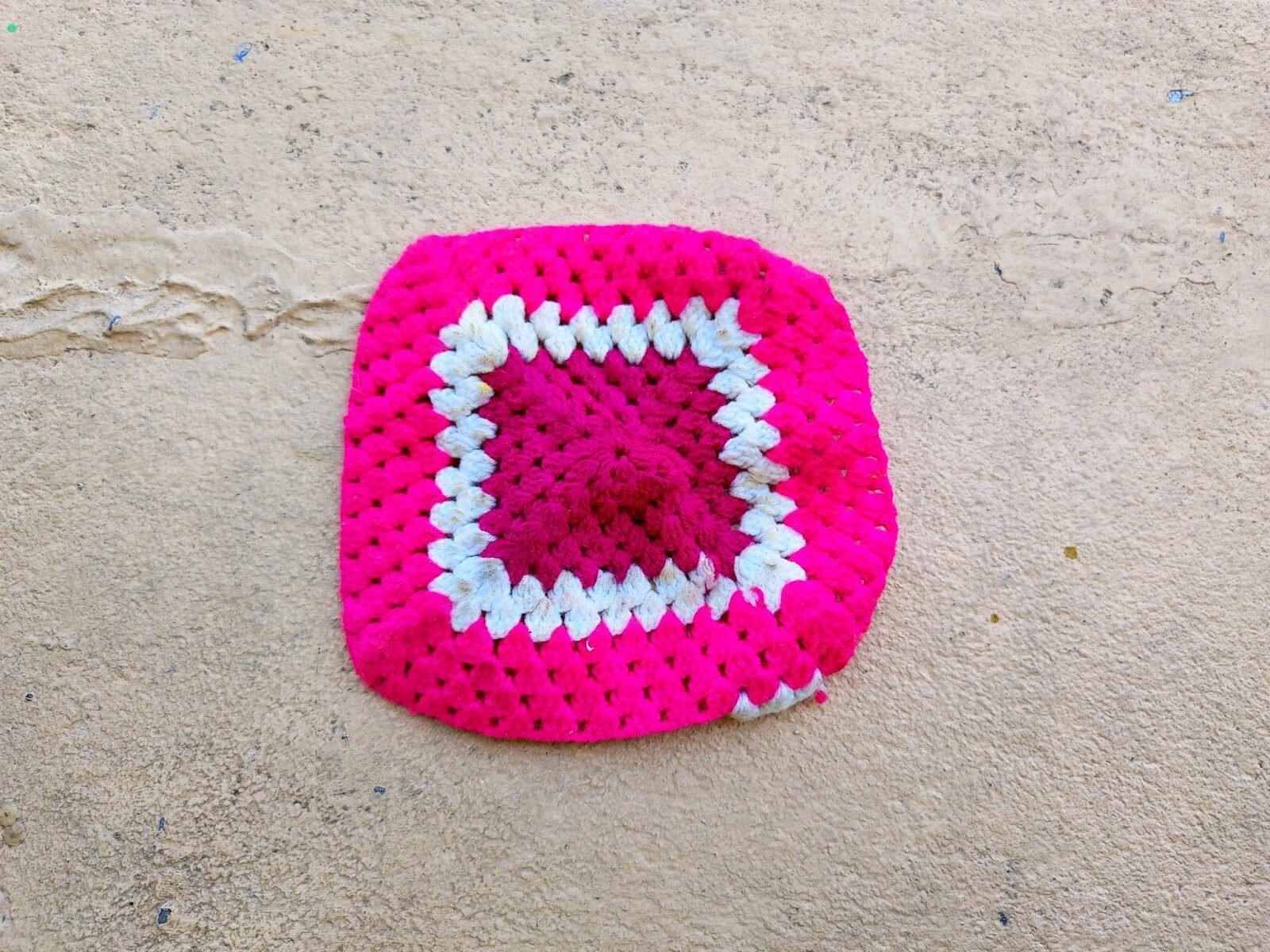
- Repeat this step for the number of stitches required by your pattern (typically 6 dc for amigurumi, or 12 tr for granny squares).
The Magic Moment: Cinching It Shut
Once all your first-round stitches are worked over the double strand:
- Locate the short loose tail yarn.
- Hold the body of your crochet stitches gently with your left hand.
- Pull the tail firmly and steadily. Watch as the giant center ring glides shut until the center hole completely disappears!
- Insert your hook into the top of the very first stitch and work a slip stitch (ss) to join the round.
The Golden Rule: How to Lock Your Tail Permanently
Important Craft Warning: Never, ever cut your yarn tail flush with the center of a magic ring! Because the ring is adjustable, everyday wear or machine washing will cause the loop to slip open, destroying your work from the inside out.
To secure it:
- Thread the yarn tail onto a blunt tapestry needle.
- Weave the needle through the back loops of the first round in a complete circle.
- Turn your work around, skip one fiber, and weave back the opposite direction.
- Finish with a third pass in the original direction. Weaving in three directions like this keeps the ring closed through everyday wear and washing.